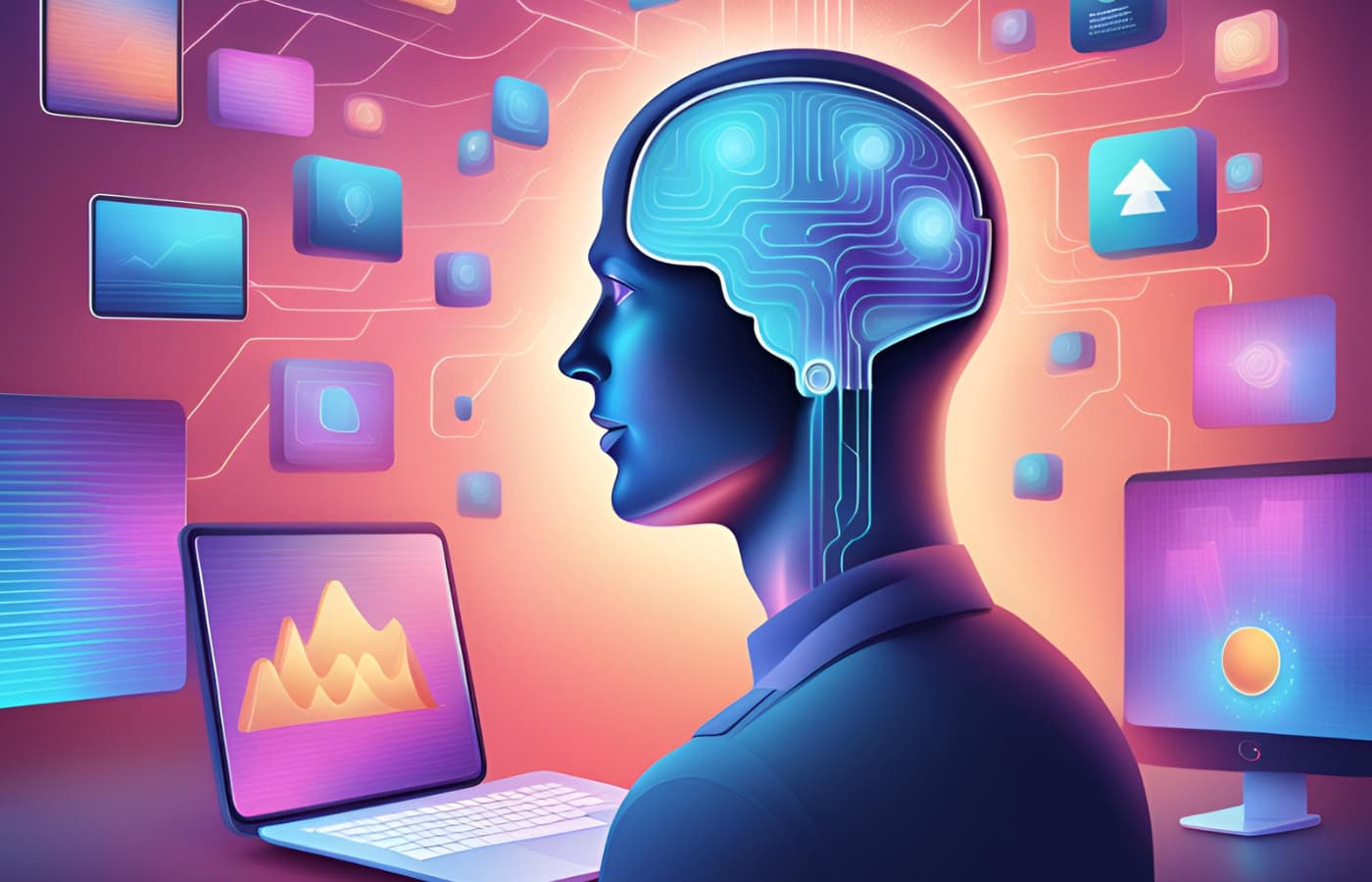
In the realm of digital marketing, Artificial Intelligence (AI) stands out as a transformative force, empowering businesses to achieve unprecedented levels of efficiency and effectiveness. As businesses strive to stay ahead in competitive markets, understanding AI’s pivotal role in shaping modern marketing practices is essential. This article delves into the multifaceted impact of AI on digital marketing and explores how businesses, whether a full service web agency or an SEO agency, can harness AI to drive growth and innovation.
In the rapidly evolving landscape of law firm digital marketing, AI is becoming an increasingly valuable tool for enhancing client acquisition and retention strategies. By leveraging AI-powered algorithms, law firms can analyze vast amounts of data to identify potential clients, personalize their marketing messages, and optimize their online presence. This technology enables law firms to streamline their digital marketing efforts, from automating content creation to predicting client needs, ultimately leading to more efficient and effective marketing campaigns that resonate with their target audience in the competitive legal services market.
Understanding Artificial Intelligence
Artificial Intelligence (AI) refers to the capability of machines to simulate human intelligence, enabling them to perform tasks that typically require human cognitive functions. In digital marketing, AI algorithms analyze vast amounts of data, derive actionable insights, and automate decision-making processes, thereby optimizing marketing strategies and enhancing customer experiences.
Types of AI in Digital Marketing:
- Machine Learning (ML) algorithms enable AI systems to learn from data, identify patterns, and make predictions without explicit programming. In digital marketing, ML powers predictive analytics, customer segmentation, and personalized marketing campaigns based on behavioral data and user preferences.
- Natural Language Processing (NLP) allows AI to understand, interpret, and generate human language, facilitating chatbots, sentiment analysis, and content optimization. NLP empowers businesses to engage with customers in real-time, deliver personalized responses, and improve communication across digital channels.
- Computer Vision enables AI systems to interpret and analyze visual content, such as images and videos. In digital marketing, CV enhances visual search capabilities, facilitates product recognition in e-commerce, and enables targeted advertising based on image analysis and visual data.
Applications of AI in Digital Marketing
AI-driven personalization enables businesses to deliver tailored content, product recommendations, and marketing messages based on individual customer preferences and behaviors. By leveraging AI insights, businesses can anticipate customer needs, enhance engagement, and foster long-term customer loyalty.
Improving Predictive Analytics and Decision Making
AI-powered predictive analytics transforms raw data into actionable insights, enabling marketers to forecast trends, optimize marketing campaigns, and allocate resources effectively. By predicting consumer behavior and market trends, AI empowers businesses to make data-driven decisions that drive ROI and business growth.
Automating Marketing Processes
AI automation streamlines repetitive tasks, such as email marketing, social media management, and ad campaign optimization. By automating routine processes, businesses can free up resources, improve operational efficiency, and focus on strategic initiatives that drive innovation and competitive advantage.
Optimizing Content Creation and Distribution
AI technologies enhance content creation by generating personalized content, optimizing SEO strategies, and analyzing content performance metrics. From generating blog posts to creating dynamic website content, AI empowers marketers to deliver relevant, high-quality content that resonates with target audiences and enhances brand visibility.
Integrating AI with SEO Strategies
AI enhances SEO efforts by identifying keyword trends, optimizing website content, and improving search engine rankings. AI-powered tools analyze search algorithms, monitor competitor strategies, and recommend SEO best practices that align with evolving search engine trends and user intent.
Leveraging AI for Voice Search Optimization
With the rise of voice assistants like Siri and Alexa, AI-driven voice search optimization is becoming critical for businesses. AI technologies interpret natural language queries, optimize content for voice-based searches, and enhance user experiences across voice-enabled devices.
Challenges and Considerations in Adopting AI
As businesses collect and analyze vast amounts of consumer data, ensuring data privacy and security remains a paramount concern. AI technologies must comply with data protection regulations, prioritize consumer consent, and implement robust cybersecurity measures to safeguard sensitive information.
Skills Gap and Training Needs
The rapid evolution of AI technologies necessitates ongoing training and upskilling for marketing professionals. Businesses must invest in AI education, certification programs, and workforce development initiatives to equip teams with the skills needed to harness AI effectively and drive innovation.
Integration with Existing Technologies
Integrating AI with legacy systems and existing marketing technologies requires careful planning and execution. Businesses must evaluate compatibility, scalability, and interoperability when adopting AI solutions to ensure seamless integration with current infrastructure and maximize ROI.
Future Trends in AI and Digital Marketing
AI will continue to advance predictive analytics capabilities, enabling marketers to anticipate consumer behavior, forecast market trends, and personalize marketing strategies in real-time.
Enhanced Customer Insights
AI-driven analytics will provide deeper insights into customer preferences, behaviors, and sentiment, enabling businesses to deliver hyper-personalized experiences and cultivate meaningful customer relationships.
Automation of Hyper-Personalization
AI automation will streamline the delivery of personalized content, product recommendations, and marketing messages across multiple digital channels, enhancing customer engagement and driving conversion rates.
Conclusion
In conclusion, AI represents a transformative force in digital marketing, empowering businesses to innovate, optimize, and thrive in a competitive landscape. Whether as a full service web agency offering comprehensive digital solutions or an SEO agency specializing in search optimization, embracing AI technologies is essential for driving strategic outcomes, enhancing customer experiences, and achieving sustainable growth. By leveraging AI-powered insights and automation, businesses can navigate complexities, capitalize on opportunities, and lead with agility in the evolving digital economy.